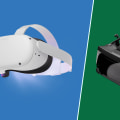
Welcome to the thrilling world of virtual reality, where the boundaries between the digital and physical realms blur into an exhilarating adventure. As you embark on this journey, one of the most crucial steps is setting up your VR headset for optimal experience. Whether you're a seasoned gamer or a newcomer exploring immersive environments, the way you configure your headset can dramatically influence your overall enjoyment. Imagine stepping into a vibrant universe where you can interact with lifelike characters, explore breathtaking landscapes, and engage in heart-pounding action. To fully unleash the potential of your VR headset, understanding its setup process is essential.
From adjusting the hardware to fine-tuning the software settings, every detail counts towards creating that seamless experience you crave. In this comprehensive guide, we will walk you through the key elements of maximizing your virtual reality experience. You'll discover tips and tricks that not only enhance visual fidelity and comfort but also ensure that you are fully immersed in the worlds you explore. Get ready to elevate your VR adventures as we delve into the intricacies of headset calibration, optimal room setup, and much more. So, whether you're gearing up for a solo journey or preparing for an epic multiplayer showdown, let’s unlock the full potential of your VR headset together. Read on to transform your virtual escapades from ordinary to extraordinary!Virtual reality (VR) has revolutionized the way we interact with digital content, offering immersive experiences that transport us to new worlds.
Whether you are exploring the depths of the ocean, battling enemies in a fantasy realm, or attending a virtual concert, the quality of your VR experience heavily depends on how well you set up your VR headset for optimal experience. In this comprehensive guide, we will delve into the essential steps and tips needed to ensure your VR setup is not only functional but also enhances your overall enjoyment. With the rapid advancements in VR technology, it’s more important than ever to stay informed about the best practices for maximizing your headset’s potential. From adjusting visual settings to calibrating tracking systems, every detail counts when it comes to achieving that seamless and captivating experience that VR promises. In this article, we will explore various aspects of headset setup that can make a significant difference in your virtual adventures. So whether you are a seasoned VR enthusiast or just starting your journey into this exciting realm, join us as we uncover the secrets to creating an unforgettable VR environment.
Get ready to elevate your gaming sessions and immersive experiences by learning how to perfectly tune your equipment!The excitement of virtual reality (VR) has surged in recent years, captivating users with its immersive experiences that transport them to new worlds. Whether it’s gaming, education, or professional training, the applications of VR are vast and varied. However, to truly maximize your enjoyment and functionality in this digital realm, it's crucial to focus on setting up your VR headset for optimal experience. A well-executed setup can significantly enhance your interactions and make your journey through virtual landscapes more engaging. One of the primary factors to consider when setting up your VR headset is the space requirements.
Adequate play space is essential for an immersive experience. Most VR systems recommend a minimum area that allows you to move freely without encountering obstacles. Measure the dimensions of your room and ensure you have enough clearance to accommodate your movements. It's also wise to remove any furniture or items that could pose a risk of tripping or injury while you're absorbed in the virtual environment. Next, hardware compatibility cannot be overlooked.
Before diving into your VR adventure, confirm that your PC or console meets the necessary specifications for the headset you’ve chosen. This includes checking the graphics card, processor speed, and available USB ports. Often, manufacturers provide a list of compatible systems, so take the time to verify that everything aligns. Investing in high-quality hardware can prevent frustration and ensure a smoother experience. Once you've established your physical space and confirmed hardware compatibility, it's time to focus on software installation.
Many VR headsets come with their own software suite that must be installed on your device. Follow the manufacturer’s instructions carefully during installation to avoid any hiccups. After installation, update the software to the latest version to benefit from enhancements and bug fixes that can improve performance. Now that the groundwork is laid, it’s essential to adjust visual settings for comfort and clarity. Each user has unique preferences when it comes to visual fidelity and comfort levels.
Begin by calibrating the headset according to your eye distance and preferences for field of view. Most systems offer a calibration tool that guides you through this process, ensuring that images appear crisp and colors are vivid. Take advantage of features like IPD (interpupillary distance) adjustment if available; this can greatly improve clarity and reduce eye strain during extended sessions. Common pitfalls often arise during setup, which can lead to frustrating experiences. One frequent issue is improper tracking due to obstructions in the play area.
Ensure that sensors or cameras are unobstructed and positioned correctly according to the guidelines provided by your headset manufacturer. Another common problem is forgetting to secure cables properly; tripping over cords can ruin an otherwise enjoyable session. Utilize cable management solutions or wireless options where possible to create a seamless environment. Troubleshooting tips can be invaluable if you encounter issues during setup. For instance, if you experience latency or lag in visuals, check your computer’s performance metrics—closing unnecessary applications can free up resources for a better VR experience.
If audio issues arise, make sure your headset's audio settings are configured correctly within both the system settings and any VR applications you’re using. As you explore popular VR games or applications like “Beat Saber” or “Half-Life: Alyx,” you’ll notice how a proper setup can drastically enhance gameplay immersion. For example, in “Beat Saber,” having an unobstructed play area allows you to swing your arms freely as you slice through musical beats without fear of hitting anything around you. Similarly, in “Half-Life: Alyx,” optimal settings can elevate the visual fidelity, making environments feel more lifelike and engaging. While most users will agree on the fundamentals of setting up their VR headsets, there may be alternative viewpoints on preferences regarding room configurations or hardware choices. Some enthusiasts argue for dedicated VR rooms with permanent setups for convenience, while others prefer mobile setups that can be assembled in various locations throughout their home.
Choosing between these options ultimately depends on personal lifestyle and space availability. In summary, setting up your VR headset for optimal experience is an essential step toward enjoying everything this technology has to offer. From ensuring you have enough space and compatible hardware to fine-tuning software settings and troubleshooting potential issues, attention to detail will yield significant rewards in your virtual adventures. Setting up your VR headset correctly is crucial for maximizing enjoyment and functionality. A proper setup not only enhances immersion but also minimizes discomfort and technical issues. The excitement of virtual reality is palpable, with its growing popularity across various applications such as gaming, education, and training.
However, to truly appreciate what VR has to offer, one must pay attention to the intricacies involved in setting up the equipment. One of the first considerations when setting up your VR headset is space requirements. Ensuring you have enough physical space is essential for an optimal experience. Ideally, a dedicated play area should be free from obstacles and have ample room for movement. Depending on the type of VR system you own, such as the Oculus Quest or HTC Vive, you may need a minimum area of 6.5 feet by 6.5 feet for room-scale experiences.
If space is limited, consider a standing or seated setup, but keep in mind that this may restrict some interactive elements. Another critical factor is hardware compatibility. Before diving into your virtual adventures, confirm that your computer or console meets the recommended specifications for your VR headset. This includes checking the graphics card, processor, RAM, and available ports. For instance, high-end gaming requires robust hardware like an NVIDIA RTX series graphics card to render immersive environments smoothly.
Additionally, ensure your controllers and sensors are compatible and fully charged, as these peripherals are essential for an engaging experience. After confirming hardware compatibility, it’s time to focus on software installation. Most VR headsets come with specific software that must be installed on your computer or mobile device. Follow the manufacturer’s instructions to install necessary drivers and applications. This often involves downloading a platform like SteamVR or Oculus software, which serves as a hub for accessing games and experiences.
Make sure to update all software to the latest version to avoid bugs or performance issues. Once you’ve set up your hardware and software, it’s important to adjust visual settings for comfort and clarity. Begin by calibrating your headset according to the manufacturer’s guidelines. This typically includes adjusting the interpupillary distance (IPD) – the distance between your eyes – which can significantly impact comfort during use. Most headsets have a physical slider or settings in the software for this adjustment.
Additionally, make sure to optimize resolution settings based on your system’s capabilities; higher resolutions can enhance clarity but may strain less powerful systems. Common pitfalls during setup can lead to frustrating experiences. One frequent issue is not properly calibrating tracking sensors or cameras. Ensure that they have a clear line of sight and are positioned at the correct height for optimal tracking accuracy. Furthermore, users often overlook cable management, which can lead to tripping hazards during movement.
Keep cables organized and consider using cable ties or clips to secure them out of the way. Troubleshooting is also part of the setup process. If you encounter issues such as lagging visuals or disconnection of peripherals, try restarting the software or checking all connections. Additionally, verify that your computer’s power settings are optimized for performance rather than energy savings, which can impact how VR applications run. To illustrate how proper setup can enhance the experience, consider popular VR games like Half-Life: Alyx or Beat Saber. In Half-Life: Alyx, an immersive environment becomes even more captivating when visual settings are optimized for clarity and tracking is precise.
Players can interact seamlessly with their surroundings, heightening engagement levels significantly. Similarly, in Beat Saber, having adequate space allows players to move freely while slicing through blocks in rhythm with music, enhancing both gameplay and enjoyment. It’s also worth addressing potential disagreements regarding setup preferences. Some users may advocate for different room configurations – while some prefer an open space for movement, others might feel more comfortable in a confined area with limited motion. Hardware choices also vary; while some users opt for high-end setups with multiple sensors for expansive tracking capabilities, others may prefer standalone headsets that require minimal setup but offer a different experience level. Ultimately, understanding these nuances in setting up your VR headset for optimal experience can significantly influence your journey into virtual reality.
By paying attention to space requirements, ensuring hardware compatibility, carefully installing software, and making necessary adjustments for comfort and clarity, users can unlock the full potential of their VR systems. With thoughtful preparation and troubleshooting measures in place, you’ll be ready to dive into immersive worlds filled with endless possibilities.
Creating the Ideal Play Space
To fully immerse yourself in the world of virtual reality, creating the ideal play space is essential. The right environment can significantly enhance your VR experience, making it both enjoyable and safe. Here are some key steps to prepare your area. First and foremost, clear space in your designated play area.Remove any furniture, decorations, or objects that could obstruct movement or cause accidents. Ideally, you should have a minimum of 6.5 feet by 6.5 feet of open space, but more room is always better to allow for dynamic movement. Next, it’s crucial to set boundaries for your VR experience. Most VR systems have built-in boundary-setting features that allow you to define the limits of your play area. Use these tools to create a safe zone where you can move freely without the risk of bumping into walls or furniture. Additionally, consider the safety of your environment.
Ensure that the floor is free from hazards like loose cables or slippery surfaces. If possible, use a soft mat to provide cushioning in case of falls. Keep pets and small children out of the play area while you’re using your VR headset to avoid potential accidents. Finally, lighting plays a significant role in your VR setup. Make sure your play space is well-lit, as this can help with tracking accuracy and reduce the chances of feeling disoriented while in a virtual environment. By following these guidelines for creating the ideal play space, you can ensure a safe and enjoyable virtual reality experience that allows you to fully engage with the immersive worlds at your fingertips.
Software Installation and Configuration
To fully enjoy your virtual reality experience, software installation and configuration are crucial steps that you shouldn't overlook.Begin by ensuring that your PC or gaming console meets the minimum system requirements for your VR headset. Visit the official website of your VR headset manufacturer to download the necessary software. This may include drivers, applications, and platforms such as SteamVR or Oculus software, depending on your device. Once you've downloaded the software, follow the installation prompts carefully. During installation, you may need to create an account or log in to an existing one, particularly if you're using a platform like Steam or Oculus.
After installation, launch the software and follow any on-screen instructions to set up your VR environment. Next, it's essential to configure the settings for optimal performance. Navigate to the settings menu of your VR software where you can adjust various parameters such as resolution, refresh rate, and tracking options. These settings can significantly affect your overall experience, so take the time to find a balance that works for you. For instance, a higher refresh rate can provide smoother visuals, while adjusting the resolution can enhance clarity. Additionally, ensure that all available updates are applied after installation.
Software updates often include performance improvements, bug fixes, and new features that can elevate your VR experience. Look for an 'Updates' section in the software menu and check for any pending updates. By taking these steps to properly install and configure your VR software, you'll lay a solid foundation for an immersive virtual reality experience that maximizes enjoyment and minimizes technical issues.
Choosing the Right VR Headset
When embarking on your virtual reality journey, one of the most critical steps is choosing the right VR headset. With numerous options available on the market, it's essential to consider several key factors that can significantly impact your overall experience. First and foremost is resolution. The clarity of the visuals in VR is paramount, as higher resolutions lead to a more immersive experience.Look for headsets that offer at least 1080p resolution per eye, as this will help minimize the screen-door effect—a phenomenon where users see lines between pixels. Next is the field of view (FOV). A wider field of view allows for a more immersive experience, as it increases your peripheral vision within the virtual environment. Ideally, you should aim for a headset with a FOV of at least 100 degrees to fully enjoy the virtual landscapes. Another crucial factor to consider is compatibility. Different VR headsets work with various platforms, including gaming consoles, PCs, and standalone devices.
Ensure that the headset you choose is compatible with your preferred platform to avoid any issues during setup. Additionally, consider factors such as comfort and weight. A headset that feels heavy or uncomfortable can detract from your experience, especially during extended use. Look for adjustable straps and cushioning that can enhance comfort. Lastly, don't forget to assess the available content. Some headsets are better supported than others when it comes to software and game libraries.
Researching which platforms offer the most engaging content can help guide your decision. By taking these factors into account when selecting your VR headset, you can ensure that you are well-equipped for an optimal virtual reality experience.
Troubleshooting Common Issues
Even with the best intentions, setting up your VR headset can sometimes lead to frustrating issues that hinder your experience. Here are some common problems and their solutions to ensure you can dive into the virtual world without a hitch.1.Poor Tracking
: If you're experiencing poor tracking performance, it could be due to lighting conditions or obstructions in the play area. Ensure that your sensors are positioned correctly and that there are no reflective surfaces nearby. Adjusting your lighting to a more consistent level can also help improve tracking accuracy.2.Connectivity Issues
: Many users encounter connectivity problems when trying to sync their VR headset with their gaming system or PC.First, check that all cables are securely connected and that your device is fully updated. Restarting both the headset and the host device can often resolve these issues.
3.Display Problems
: If you notice flickering or blurriness in the display, make sure that the lenses are clean and correctly positioned for your eyes. Adjusting the interpupillary distance (IPD) settings can also enhance visual clarity.4.Audio Glitches
: In some cases, audio may not sync properly with visual elements in the VR environment. To fix this, check your audio settings within both the VR software and the host device.Ensure that your headset is set as the default playback device in your audio settings.
5.Motion Sickness
: If you're prone to motion sickness while using VR, take breaks regularly and start with shorter sessions. Some headsets offer comfort settings or motion smoothing features that can help alleviate symptoms. By addressing these common issues proactively, you can enhance your overall VR experience and immerse yourself fully in the incredible worlds that virtual reality has to offer.Enhancing Your Experience
To truly immerse yourself in the world of virtual reality, consider investing in some essential accessories and peripherals that can significantly enhance your overall experience. Here are a few recommendations:Firstly, high-quality headphones can make a world of difference. Opt for models that offer spatial audio or surround sound capabilities, allowing you to feel as though you are truly inside the game or environment.This auditory immersion complements the visual elements of VR, creating a more engaging experience. Another useful accessory is an external sensor or tracking system. Depending on your VR headset, adding extra sensors can improve motion tracking and accuracy, particularly in room-scale experiences where your movements need to be captured precisely. This added functionality can lead to smoother interactions and a more responsive gameplay experience. You might also want to consider investing in a comfortable VR headset strap or support system. A well-fitted strap helps distribute the weight of the headset evenly, reducing fatigue during extended gaming sessions.
Additionally, some aftermarket straps offer extra padding and adjustments for a more personalized fit. Finally, don’t overlook the importance of a good VR mat. A dedicated mat can help you stay oriented within your play area, allowing you to move freely without the risk of bumping into objects in your physical space. This can enhance safety and comfort as you explore virtual worlds. By incorporating these accessories into your setup, you will not only improve your comfort but also elevate your entire VR experience, making it more enjoyable and immersive.
Choosing the Right VR Headset
When embarking on your virtual reality journey, choosing the right VR headset is crucial to ensure an immersive experience. With a plethora of options available in the market, understanding the key factors that contribute to a headset's performance can help you make an informed decision. First and foremost, consider the resolution of the headset.Higher resolution displays provide clearer and more detailed visuals, enhancing immersion. Look for headsets with at least 1080p resolution per eye, as this helps reduce the 'screen door effect'—a common issue where users can see lines between pixels. The field of view (FOV) is another critical factor. A wider FOV allows for a more expansive view of the virtual environment, making experiences feel more natural and engaging. Aim for headsets that offer at least 100 degrees of FOV for a more immersive experience. Additionally, compatibility with different platforms should be taken into account.
Some headsets are designed to work exclusively with specific gaming consoles or PCs, while others offer broader compatibility across various systems. Ensure that your chosen headset works seamlessly with your existing hardware and software to avoid any compatibility issues. Lastly, consider comfort and adjustability features such as padding and weight distribution. A comfortable headset will allow you to enjoy long gaming sessions without discomfort. By taking these factors into account, you can select a VR headset that not only meets your needs but also maximizes your virtual reality experience.
Software Installation and Configuration
To fully enjoy your virtual reality experience, proper software installation and configuration are crucial steps.Start by ensuring that you have the latest version of your VR headset's software. Visit the manufacturer's website or the app store associated with your device to download the necessary applications. Common software includes the VR platform itself, such as SteamVR for Steam-compatible headsets, or Oculus software for Oculus devices. Once you have downloaded the software, follow the installation prompts carefully. During this process, you may be asked to create an account or log in if you already have one.
This account will often be essential for accessing your games and applications. After installation, it’s time to configure your settings for optimal performance. Open the software and navigate to the settings menu. Here, you can adjust various parameters such as resolution, refresh rate, and other performance metrics that can significantly impact your VR experience. Make sure to enable features like room-scale tracking if your setup allows it, as this will enhance your sense of immersion. Furthermore, it's vital to keep your software up to date.
Regular updates not only improve performance but also fix bugs and enhance security. Enable automatic updates in your software settings if available, or periodically check for updates manually. In summary, successful software installation and configuration can dramatically affect your virtual reality experience. By following these steps and keeping everything up to date, you can ensure a smooth and enjoyable journey into the world of VR.
Creating the Ideal Play Space
To fully immerse yourself in the world of virtual reality, it is essential to prepare your environment properly. A well-organized and safe play space significantly enhances your overall experience.Here are some key steps to create the ideal setup:1.Clear Space: Begin by identifying an area in your home where you can dedicate enough room for movement. Clear away any furniture, decorations, or obstacles that might interfere with your gameplay. Ideally, you should have at least a 6.5 by 6.5-foot area available to ensure you can move freely without risk of bumping into anything.
2.Set Boundaries:
Most VR systems allow you to set up a virtual boundary, often referred to as a 'play area' or 'guardian system.' This feature helps you stay within safe limits while enjoying your VR experience. Follow the instructions provided by your headset manufacturer to establish these boundaries accurately.3.Ensure Safety:
Safety should be a top priority when setting up your VR space.Make sure the floor is free from rugs or wires that could cause tripping hazards. Additionally, check for any low-hanging objects like light fixtures or shelves that could be in your way during gameplay. Consider using corner guards for sharp edges, especially if you're playing in a smaller room. By taking the time to prepare your environment, you'll create a more enjoyable and safer VR experience that allows you to fully engage with the virtual world around you.
Troubleshooting Common Issues
Setting up your VR headset can be an exhilarating experience, but it can also come with its fair share of challenges. Fortunately, many common issues have straightforward solutions that can help you get back to enjoying your virtual adventures quickly.In this section, we will address some frequent problems users encounter during the setup process and while using their VR headsets.
1.Tracking Issues:
One of the most common problems is inaccurate tracking, which can lead to a disorienting experience. Ensure that your sensors are positioned correctly and unobstructed. If you are using external sensors, make sure they are securely mounted and calibrated according to the manufacturer’s instructions. Restarting the VR system or recalibrating the sensors may also resolve tracking issues.2.Display Problems:
If the display on your headset appears distorted or flickers, check the connections between your headset and computer or console.Ensure that all cables are securely plugged in and not damaged. Additionally, verify that your graphics drivers are up to date, as outdated drivers can cause display issues.
3.Audio Glitches:
Experiencing audio problems in VR can detract from immersion. If sound is choppy or absent, first check the audio settings on both your headset and connected device. Make sure the correct output device is selected, and adjust the volume levels.If issues persist, restarting your system may resolve temporary glitches.
4.Connectivity Issues:
For wireless headsets, connectivity problems can arise due to weak signals or interference from other devices. Ensure that your headset is within range of the router and that there are no physical barriers obstructing the signal. Restarting your headset and router can also help re-establish a stable connection.5.Motion Sickness:
Some users may experience motion sickness when using VR for prolonged periods. To mitigate this, take regular breaks and gradually increase your usage time.Adjusting the settings for comfort mode in your VR software can also provide a more stable experience. By addressing these common issues with effective solutions, you can enhance your overall VR experience. Remember that troubleshooting is a normal part of using technology, and with patience and practice, you will soon be immersed in the captivating world of virtual reality.
Enhancing Your Experience
To truly immerse yourself in the world of virtual reality, consider investing in accessories and peripherals that can significantly enhance your experience. The right gear can elevate your VR sessions from enjoyable to unforgettable, making every moment feel as real as possible. One essential accessory for any VR enthusiast is a high-quality pair of headphones. Audio plays a crucial role in creating an immersive environment, and investing in a good set of headphones can provide spatial sound that makes you feel like you're really inside the game or experience.Look for headphones that offer surround sound capabilities to ensure you can hear every subtle detail. Another valuable addition to your VR setup is the use of additional sensors. Many VR systems come with standard tracking sensors, but adding more can improve the accuracy and responsiveness of your movements. This is especially important for games that require precise tracking, allowing for a smoother and more enjoyable experience. Additionally, consider incorporating a comfortable VR mat. This not only provides a designated space for your movements but also helps prevent accidental bumps into furniture or walls during intense gameplay.
A mat can serve as a visual and physical boundary, keeping you safe while fully engaged in your virtual adventures. Lastly, don't overlook the benefits of a customized controller. Some users find that specialized controllers designed for specific games or applications can enhance gameplay by providing better ergonomics and functionality. Explore the options available for your VR system to find the perfect match for your gaming style. By equipping yourself with these accessories and peripherals, you can significantly enhance your overall VR experience, making it more engaging, immersive, and enjoyable. In conclusion, maximizing your virtual reality experience begins with choosing the right VR headset that suits your needs and preferences. Creating the ideal play space is essential for immersive gameplay, ensuring you have enough room to move around safely.
Proper software installation and configuration set the foundation for smooth performance, while enhancing your experience with accessories can take your VR adventures to the next level. Finally, knowing how to troubleshoot common issues will keep your sessions uninterrupted and enjoyable. The importance of a thorough setup cannot be overstated; it directly impacts your level of immersion and enjoyment. We encourage you to share your own tips or experiences in the comments section below, helping to build a community of VR enthusiasts ready to elevate their journeys together. In conclusion, we have explored the essential steps to maximize your virtual reality experience, starting from choosing the right VR headset to creating the ideal play space. Each aspect plays a crucial role in ensuring that you get the most out of your VR setup.
We discussed the significance of software installation and configuration and how enhancing your experience with the right accessories can elevate your immersion. Additionally, we provided insights on troubleshooting common issues, empowering you to resolve any potential setbacks quickly. By following these guidelines, you can transform your virtual reality sessions into captivating adventures. We encourage you to share your own tips or experiences in the comments section below, as your insights can greatly benefit others in our growing community of VR enthusiasts.