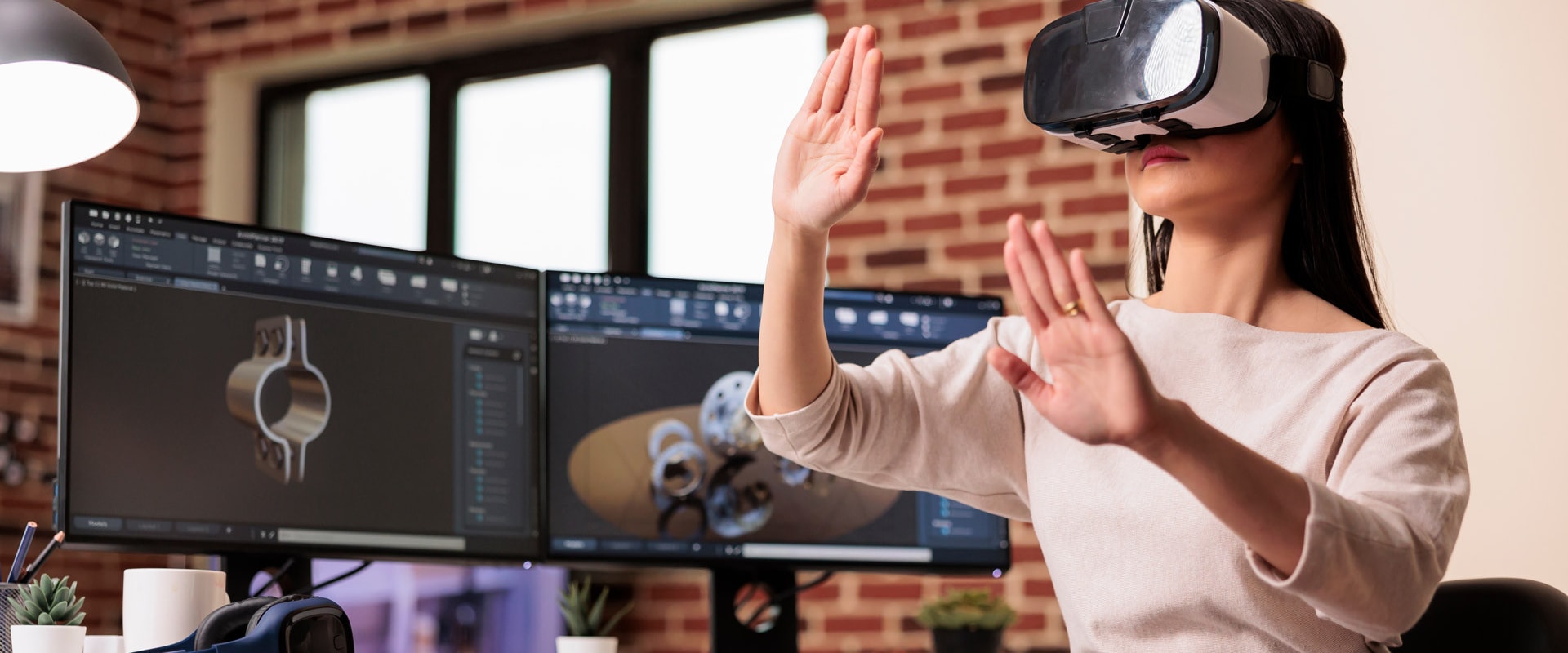
As the landscape of virtual reality (VR) continues to evolve at a breathtaking pace, VR peripheral developments are emerging as the unsung heroes that enhance user experiences and expand the possibilities of immersive environments. In recent years, the demand for more intuitive, responsive, and engaging VR systems has spurred innovation across various hardware components. From advanced motion controllers to haptic feedback systems and beyond, these peripherals are redefining how we interact with virtual worlds. This article delves into the latest breakthroughs in VR peripheral developments, exploring how these innovations are not only enhancing gameplay but also transforming industries such as education, training, and healthcare. As developers and manufacturers strive to create more realistic and immersive experiences, we will examine the cutting-edge technologies that are shaping the future of VR. Join us as we embark on a journey through the exciting realm of VR peripheral developments, where each advancement is a step closer to a fully realized virtual experience.
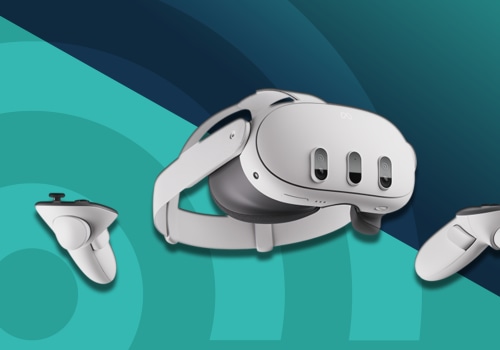
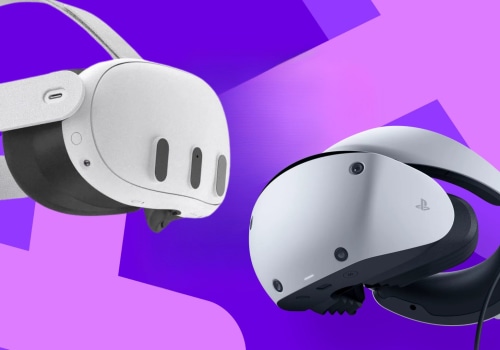
Whether you are a seasoned VR enthusiast or a curious newcomer, there's no denying that the future of this technology is bright and brimming with potential. The landscape of VR peripheral developments is rapidly evolving, driven by significant advancements in technology and a burgeoning interest in virtual reality across various sectors. As more users engage with VR technology, particularly in gaming and education, the demand for innovative peripherals has surged, enhancing user experiences and fostering new applications. One of the most notable advancements in VR peripherals is the development of cutting-edge VR headsets. Current models like the Meta Quest 2, Valve Index, and HTC Vive Pro 2 offer remarkable features that elevate the immersive experience. For instance, the Meta Quest 2 boasts a resolution of 1832 x 1920 per eye and a field of view of 90 degrees, while the Valve Index excels with a wider field of view of 130 degrees and a refresh rate of up to 144Hz.
Comfort is also a critical factor; the Valve Index features adjustable straps and a face gasket for prolonged use, catering to gamers who spend hours immersed in virtual worlds. Controllers have also seen significant improvements. The introduction of haptic feedback devices, such as the Valve Index controllers, which allow users to feel sensations like touch and texture, adds another layer of immersion. These innovations enable a more interactive gaming experience, where players can physically manipulate their surroundings in ways that were previously unimaginable. The integration of advanced tracking systems, including inside-out tracking technologies found in headsets like the Oculus Quest series, has made it easier for users to move freely without external sensors, thus enhancing the overall interactivity. Beyond gaming, the applications of VR technology in education and training are becoming increasingly prominent.
Institutions are leveraging VR to create immersive learning environments that engage students in ways traditional methods cannot. For example, medical schools are using VR simulations to provide students with hands-on experience in surgical procedures without risking patient safety. Similarly, companies are employing VR for employee training programs that simulate real-life scenarios, allowing workers to practice skills in a controlled environment. The current trends in VR peripheral developments also reflect a shift towards wireless capabilities and the integration of artificial intelligence (AI). Wireless headsets eliminate the clutter and restrictions imposed by cables, offering users greater freedom of movement.
As AI continues to evolve, it is being integrated into VR systems to enhance user experiences further; for example, AI can personalize content based on user behavior or improve tracking accuracy through machine learning algorithms. However, as the industry progresses, it faces certain criticisms and challenges. Accessibility remains a significant concern, as high-quality VR peripherals can be expensive, potentially alienating a portion of the user base. Additionally, motion sickness is an ongoing issue for many users when engaging with VR environments. Developers are actively researching solutions to minimize these effects through improved frame rates and visual fidelity. Industry experts emphasize that while VR peripheral developments are at an exciting juncture, addressing these challenges will be crucial for sustained growth and widespread adoption.
According to a recent report by VR industry analyst firm SuperData, "The market for VR hardware is expected to surpass $12 billion by 2024," indicating strong future prospects if these issues can be mitigated. As we continue to explore the latest innovations in VR technology, it is evident that advancements in peripherals will play a pivotal role in shaping user experiences across gaming and educational sectors alike. With ongoing investments and research into improving accessibility and interactivity, the future looks promising for both developers and users as they navigate this exciting frontier.
Controllers and Haptic Feedback: Enhancing Interaction
The landscape of virtual reality is rapidly evolving, with controllers and haptic feedback systems at the forefront of enhancing user interactions. As VR technology becomes more mainstream, developers are focusing on creating devices that not only allow users to navigate virtual environments but also provide tactile sensations that mimic real-world interactions. New controller designs are increasingly incorporating advanced features such as motion tracking, gesture recognition, and customizable buttons, allowing users to engage with VR content in more intuitive ways. For instance, modern controllers can track hand movements with impressive precision, enabling users to manipulate objects within the virtual space seamlessly. Furthermore, the integration of haptic feedback systems is revolutionizing the way users experience virtual environments.By simulating touch sensations through vibrations or resistance, haptic feedback adds an extra layer of immersion. Users can feel the recoil of a virtual gun, the texture of surfaces, or even the impact of a fall, which enhances the realism of the experience. The synergy between innovative controller designs and sophisticated haptic feedback systems is not only enhancing user engagement but also expanding the applications of VR technology in various sectors, including gaming, education, and training simulations. As these technologies continue to advance, we can expect even more immersive experiences that blur the lines between the virtual and physical worlds.
Applications Beyond Gaming: VR in Education and Training
The realm of VR peripheral developments has expanded significantly beyond the gaming industry, revealing transformative applications in education and professional training. Educational institutions are increasingly adopting virtual reality as a tool for enhancing the learning experience, allowing students to engage with complex subjects in an immersive environment.This technology facilitates interactive learning, enabling students to visualize and manipulate 3D models, conduct virtual experiments, and explore historical events or scientific phenomena in a more engaging manner. In professional training programs, VR offers a safe and controlled environment for skills development. Industries such as healthcare, aviation, and manufacturing are leveraging virtual reality to simulate real-world scenarios where trainees can practice and hone their skills without the risks associated with actual performance. For instance, medical students can perform virtual surgeries, while pilots can navigate flight simulators that replicate various flying conditions. The benefits of VR in education and training are manifold. It promotes active learning, increases retention rates, and caters to diverse learning styles by providing visual and kinesthetic experiences.
Moreover, with the rise of remote learning, VR technology is bridging the gap between physical presence and virtual interaction, making education accessible from anywhere in the world. As technology continues to evolve, the potential applications of VR peripherals in educational settings will likely grow, paving the way for innovative teaching methodologies that prepare learners for future challenges.
Innovative Headsets: The Core of VR Experience
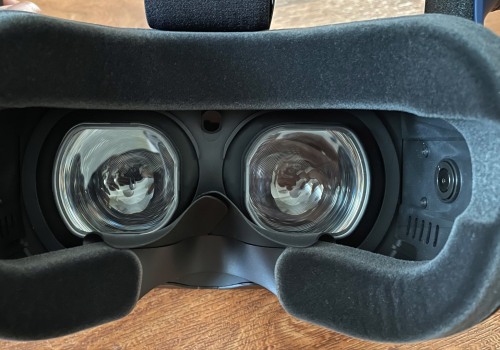
As the backbone of the virtual reality experience, innovative headsets have seen remarkable advancements that have redefined user engagement. Recent developments in resolution technology have allowed for crisp and clear visuals, with many headsets now offering resolutions that surpass 4K. This leap in visual fidelity enhances immersion, making virtual environments feel more realistic and engaging. Equally important are the improvements in field of view (FOV). Modern headsets are pushing the boundaries by offering wider FOVs, which contributes to a more natural viewing experience.Users can now enjoy a broader peripheral vision, reducing the feeling of tunnel vision that earlier models often presented. Design innovations have also played a crucial role in the evolution of VR headsets. Manufacturers are focusing on ergonomics and weight distribution to ensure prolonged comfort during extended use. Lightweight materials, adjustable straps, and breathable padding are just a few features that enhance user comfort and accessibility. Moreover, many new headsets incorporate advanced tracking technologies, such as inside-out tracking systems that eliminate the need for external sensors. This not only simplifies setup but also enhances mobility, allowing users to move freely within their virtual spaces without compromising tracking accuracy. In conclusion, the latest advancements in headset technology are pivotal in driving the VR peripheral developments.
As these innovations continue to unfold, they promise to elevate the user experience across various applications, from gaming to education and beyond.
Trends Shaping the Future of VR Technology
The landscape of virtual reality peripherals is evolving rapidly, with several key trends emerging that promise to reshape the user experience. One of the most significant trends is the shift towards wireless technology. Traditional VR setups often required cumbersome cables that limited movement and immersion. However, advancements in wireless technology are paving the way for untethered experiences, allowing users to move freely without the constraints of wires.This freedom enhances the overall experience, making VR more accessible and enjoyable for both gaming and educational purposes. Another important trend is the integration of artificial intelligence (AI) into VR systems. AI is being utilized to create more responsive and adaptive environments. For instance, AI algorithms can analyze user behavior in real-time, adjusting scenarios and challenges based on individual performance and preferences. This level of personalization not only enhances engagement but also allows for a tailored educational experience, where learners can progress at their own pace. Furthermore, the combination of wireless technology and AI integration is set to revolutionize multiplayer experiences in VR.
As more users join virtual worlds simultaneously, AI can help manage interactions and maintain a smooth experience even in complex environments. This innovation could open up new avenues for social interaction in gaming and collaborative learning in educational settings. As we look ahead, it's clear that these trends will significantly impact user experiences across various sectors. The focus on wireless technology and AI integration not only enhances immersion but also drives innovation, making virtual reality a more integral part of our daily lives. In conclusion, the exploration of VR peripheral developments has illuminated the dynamic landscape of virtual reality technology. We have seen how has illuminated the dynamic landscape of virtual reality technology. We have seen how innovative headsets serve as the foundation of the VR experience, while advanced controllers and haptic feedback systems significantly enhance user interaction.
Beyond gaming, the applications of VR in education and training showcase its versatility and potential impact across various sectors. The trends discussed highlight a future where VR technology is not only evolving but also integrating into everyday experiences, emphasizing the importance of ongoing developments in VR peripherals. As we continue to witness advancements in this field, it is crucial for enthusiasts and professionals alike to stay informed about upcoming innovations that will undoubtedly shape the industry further.